“`html
How to Use Deep Learning for Image Recognition
In recent years, deep learning has transformed the field of image recognition and computer vision, marking an evolutionary leap from traditional methods to powerful neural networks. This blog delves into how deep neural networks, the backbone of modern image recognition, are trained to recognize patterns. From identifying logos on social media to analyzing medical images, deep learning offers innovative and transformative use cases across various industries. Crucial to the vast potential of image recognition is its applicability in a multitude of scenarios, including apps that identify artworks and facial recognition systems that simplify airport experiences. As development continues, we must ensure these technologies are not only accurate but also ethical. This comprehensive guide explores the vast opportunities and ongoing advancements in deep learning for image recognition, and paves the way for the next steps in integrating these remarkable technologies.
What is image recognition and computer vision?
Image recognition is a subfield of computer vision, which focuses on teaching machines to interpret and understand the content of visual inputs like images and videos. It involves the automated identification and classification of objects within a digital image, enabling computers to perform tasks such as object detection, image classification, and scene recognition with improved accuracy and speed. In essence, image recognition aims to mimic the human visual perception process, allowing machines to process and analyze visual data.
Computer vision, on the other hand, is a broader domain that encompasses various technologies to acquire, process, analyze, and understand visual information. This technical field involves understanding scenes, deciphering movements, and recognizing objects to derive meaningful insights. By leveraging deep learning techniques, computer vision aims to replicate human vision for a wide range of applications, from enhancing autonomous vehicles to facilitating interactive augmented reality experiences.
Deep neural networks: the “how” behind image recognition and other computer vision techniques
How neural networks learn to recognize patterns
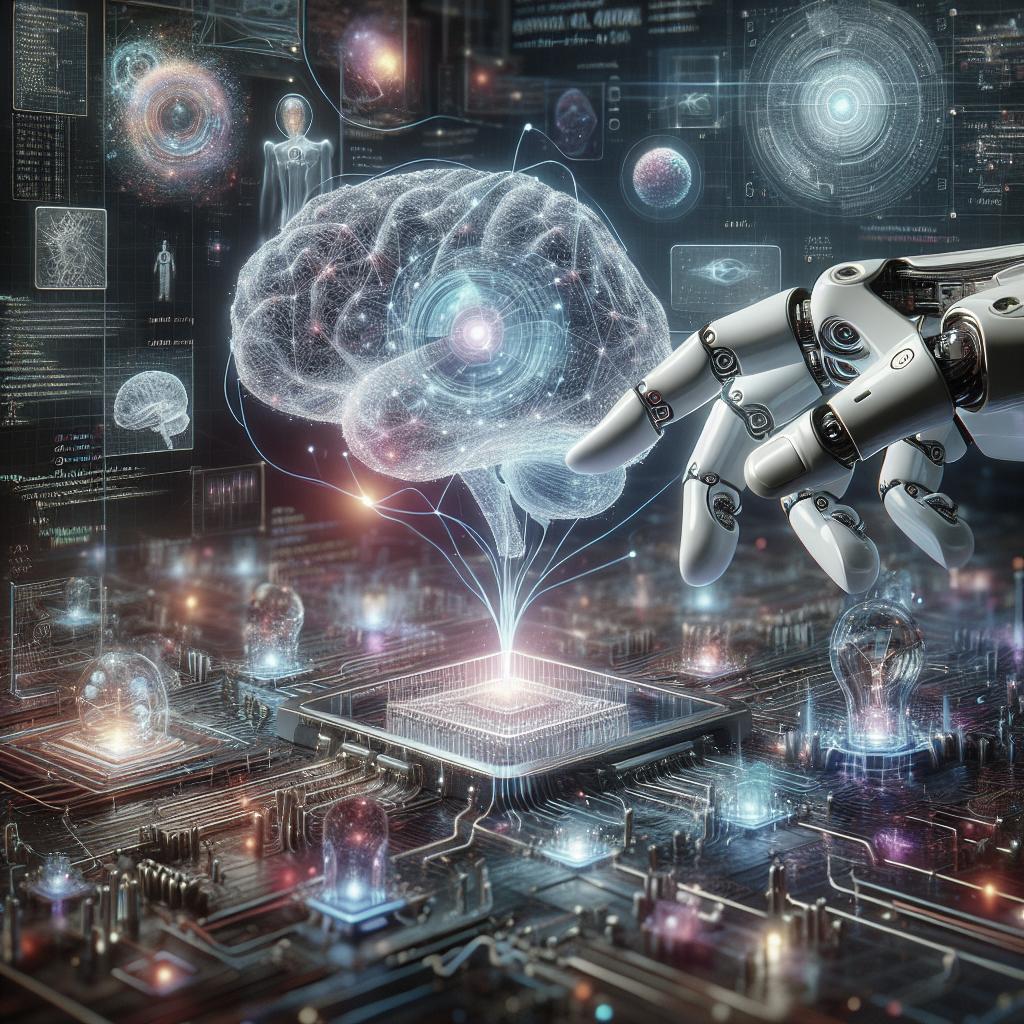
Neural networks are the computational foundation of deep learning, and their design is inspired by the neuronal structure of the human brain. They consist of interconnected nodes, or neurons, organized in layers: input, hidden, and output layers. Each neuron receives input, processes it using weights and biases, and sends the resultant output to the next layer. This interconnected framework allows neural networks to learn patterns and features by adjusting weights through a process called backpropagation.
During training, a neural network becomes adept at recognizing patterns through repeated exposure to labeled images, allowing it to make predictions or classifications. With each iteration, the network adjusts its internal parameters, fine-tuning its ability to extract features from the data. This learning process, powered by large datasets and computing power, has made neural networks highly effective and adaptable for complex image recognition tasks.
Training deep learning models (such as neural networks)
The training of deep learning models involves feeding vast amounts of data into the neural network and continually updating its parameters to minimize prediction errors. The quality and quantity of the training data greatly influence the efficacy and accuracy of these models. During training, models learn to identify crucial features in images, such as edges, shapes, textures, and colors, which help in distinguishing one object from another.
Training deep learning models typically employs techniques like supervised learning, where models are given labeled data, and unsupervised learning, where models discern patterns without explicit labels. Supervised learning is more prevalent in image recognition, as it provides reference points for the network to understand the connection between input data and the predicted output. The process requires significant computational resources and time but ultimately leads to models capable of processing and recognizing images with high accuracy.
Use cases of image recognition
Logo detection in social media analytics
Logo detection is an integral part of social media analytics, enabling businesses to monitor brand visibility and engagement across different platforms. By employing image recognition techniques, companies can automatically identify and track logos within images, offering valuable insights into user-generated content and brand mentions. This aids in understanding public sentiment, optimizing marketing strategies, and assessing the effectiveness of sponsorships.
As social media becomes a dominant channel for marketing and communication, timely and accurate logo detection allows brands to respond rapidly to trends and feedback. It also helps businesses analyze their competitive landscape by examining how other brands are represented in social spaces. Ultimately, this capability empowers companies to make data-driven decisions and maintain a strong online presence.
Medical image analysis
In the healthcare sector, image recognition is revolutionizing medical image analysis by enhancing diagnostic accuracy and streamlining treatment planning. Advances in deep learning models allow the automated analysis of medical images, such as X-rays, CT scans, and MRIs, enabling early detection of diseases like cancer and cardiovascular conditions. These technologies help reduce the workload of medical professionals, allowing them to focus more on patient care.
Deep learning algorithms have demonstrated proficiency in outlining tumors, segmenting tissues, and even predicting treatment outcomes. As these models continue to improve, we can expect further innovations in medical diagnostics, offering more precise and personalized treatment plans for patients. This not only enhances healthcare efficiency but also improves patient outcomes.
Apps for recognizing artworks
Art recognition apps are among the most popular uses of image recognition, allowing users to identify and learn about artworks simply by scanning them with their smartphones. These applications utilize image recognition to analyze features like color, texture, and form, matching them with a database of known artworks to provide detailed information about the piece and its artist.
Such apps have made art more accessible to the general public, enriching cultural experiences and fostering a deeper appreciation for diverse art forms. Whether visiting museums or exploring street art, these tools offer a convenient and engaging way to interact with the world of art, broadening the horizons of art lovers and casual observers alike.
Facial recognition to improve airport experience
Airports worldwide are increasingly leveraging facial recognition technology to enhance passenger experiences and improve security. Deep learning models enable the rapid and accurate identification of travelers, simplifying the boarding process, and reducing wait times. This technology streamline identity verification, ensuring smoother transitions through security checkpoints.
Beyond improving the passenger journey, facial recognition systems play a critical role in ensuring airport safety by identifying individuals on watchlists or with suspicious activities. The adoption of these systems represents a movement towards more efficient and secure travel experiences, benefiting both travelers and airport authorities. However, balancing privacy concerns with security needs remains a critical consideration in implementing facial recognition at scale.
Visual product search
Visual product search is a transformative application of image recognition in the retail industry, allowing customers to find products using images instead of keywords. By uploading or taking pictures of desired items, consumers can receive instant recommendations for similar products, styles, and brands available across online and offline platforms. This simplifies the shopping experience by eliminating the need for detailed descriptions or know-how about the product.
Powered by deep learning models, visual search bridges the gap between inspiration and purchase, streamlining the customer journey from discovery to transaction. Retailers, in turn, benefit from enhanced customer engagement, improved conversion rates, and valuable insights into consumer preferences, driving tailored marketing efforts and inventory management.
The work goes on.
The journey of deep learning in image recognition is ever-evolving, with continuous research and development expanding its horizon and addressing existing challenges. Ethical considerations, such as data privacy and algorithm bias, need careful attention to ensure responsible deployment. Balancing technological advancement with societal implications will be critical in optimizing the benefits of image recognition while minimizing risks.
As we venture into more advanced applications, the key next steps involve refining models for greater precision, fostering cross-industry collaboration, and democratizing access to these technologies. Broadening adoption in sectors such as healthcare, security, fashion, and beyond will unlock unprecedented possibilities, shaping a future where machines perceive the world with human-like acuity. Whether in bicycles equipped with vision-enabled safety features or in AI that interprets complex satellite imagery, the work truly goes on.
| Sections | Summary |
|---|---|
| What is image recognition and computer vision? | Describes the goals of image recognition to emulate human vision, including tasks like object detection and classification, within the broader field of computer vision. |
| Deep neural networks: the “how” | Explains how neural networks learn patterns through interconnected neurons, backpropagation, and training with large data sets. |
| Use cases of image recognition | Details diverse applications such as logo detection, medical imaging, art recognition, facial recognition at airports, and visual product search. |
| The work goes on. | Highlights ongoing development and ethical considerations, urging refinement, collaboration, and wider access across industries. |
“`