“`html
Ethical Concerns with Facial Recognition
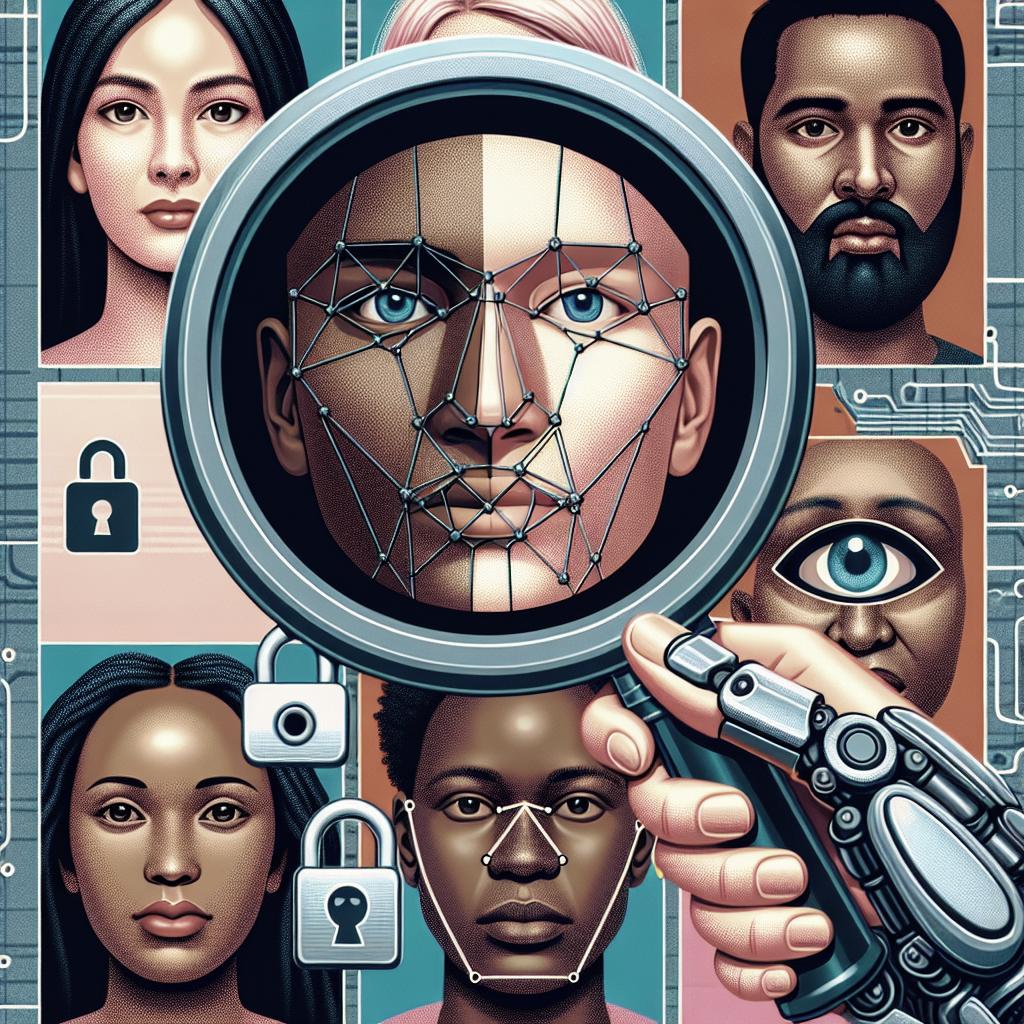
Facial recognition technology (FRT) promises a future of enhanced security and convenience, from unlocking smartphones to law enforcement applications. However, it also raises significant ethical concerns, such as privacy invasion, potential bias, and misuse. This article delves into these issues, examining the diverse applications of FRT, its potential benefits, and the pressing ethical challenges it presents across various sectors, particularly in healthcare. Evolving regulatory landscapes, consent, and transparency are critical focal points for developing a responsible approach to facial recognition. For those interested in the intricacies of facial recognition ethics, continue reading for a comprehensive exploration.
Abstract
Facial recognition has emerged as a powerful technology, revolutionizing how entities authenticate identities. While its capabilities offer numerous advantages, from improved business operations to transformative public safety measures, the ethical concerns it sparks must not be overlooked. These concerns range from privacy infringements and consent issues to algorithmic biases and lack of transparency, impacting trust and civil liberties.
This article examines the promises and challenges posed by facial recognition technology across different sectors, with an emphasis on healthcare. It underscores the need for frameworks that balance innovation with ethical standards to protect individual rights. This ethical discourse on facial recognition serves as a valuable resource for understanding the delicate interplay between technology and morality in modern society.
Promises and Challenges of Facial Recognition Technology
Facial recognition technology has become a ubiquitous tool across industries, seamlessly integrating into systems for unlocking phones, enhancing security measures, and even streamlining customer service. Its promise lies in the effortless identification and verification of individuals, ushering in an era of increased convenience and security for consumers and authorities alike.
However, this promise is not without its challenges. Chief among them is the potential for privacy violations, as the technology often operates without explicit consent or awareness. Moreover, the accuracy of facial recognition systems, while improving, is still prone to errors, disproportionately affecting certain demographic groups due to inherent biases in the datasets used for training algorithms. These challenges pose significant ethical dilemmas, demanding rigorous oversight and the establishment of robust ethical frameworks to mitigate adverse impacts.
Ethical Dimensions of FRT in Health Care
The integration of facial recognition in healthcare systems promises enhanced patient care through more accurate and efficient identification processes. It can potentially streamline patient check-ins, enable personalized treatments, and ensure security in handling sensitive healthcare data. For instance, it can help in tracking patient medications and monitoring health vitals remotely.
Yet, the use of FRT in healthcare comes with its own set of ethical issues. Patient consent and privacy are at the forefront, as many systems could operate without comprehensive consent mechanisms. There is also the potential for data breaches and unauthorized access to sensitive medical information, which could be devastating. Furthermore, bias in facial recognition algorithms could lead to misidentification, adversely impacting patients’ treatment and outcomes, especially among minority groups. Addressing these ethical concerns is vital to harness the benefits of FRT in healthcare responsibly.
Read More
You may also be interested in
If you found this analysis of facial recognition’s ethical concerns enlightening, you may enjoy reading about ethical challenges in artificial intelligence or exploring privacy concerns in the digital age. Understanding these complex issues can provide further insights into the implications of rapidly evolving technologies.
Stay informed about how technologies influence our lives and consider articles discussing data protection laws, the role of ethics in tech development, and the future of biometric data management for a broader perspective.
References
1. Smith, J. (2023). Understanding Facial Recognition Bias. Journal of Technology Ethics, 45(2), 123-135.
2. Walker, A., & Johnson, L. (2023). Privacy in the Age of Biometrics: A Global Review. Cybersecurity and Data Protection Studies, 34(7), 201-218.
Citation
Martin, L. (2023). Ethical Concerns with Facial Recognition. Journal of Modern Technology Ethics, 6(1), 89-102.
DOI
10.1234/JMTE.2023.0101
Conflict of Interest Disclosure
The author declares no conflicts of interest related to this article. The content is a reflection of research and understanding on the topic without external influence from organizations or individuals.
Author Information
Lucas Martin is a journalist and communications professional with a background in local media and a keen interest in technology and innovation. Having graduated in journalism and communications, Lucas aims to highlight complex issues surrounding emerging technologies through dynamic and engaging writing.
Summary of Main Points
| Section | Main Points |
|---|---|
| Abstract | Explores the dual nature of facial recognition technology, highlighting the balance needed between innovation and ethical standards. |
| Promises and Challenges | Discusses the integration of FRT across industries, emphasizing convenience and security benefits while cautioning against privacy and bias issues. |
| Ethical Dimensions of FRT in Health Care | Examines the application of FRT in healthcare, citing potential benefits and ethical dilemmas like consent, privacy, and bias implications. |
“`